
À propos de la ménopause
La ménopause (meno=menstruation, pause=arrêt) signifie littéralement la fin des cycles menstruels. La ménopause est diagnostiquée lorsqu'une femme n'a pas eu de règles pendant 12 mois.
The average age of menopause in the UK is 51. However, there is a large variation in this age which is influenced by family history in that women generally reach the menopause around the same age as their mum and other first-degree female relatives and it is also influenced by their own medical and social history.
For example, a woman who has had cancer treatment such as chemotherapy and/or radiotherapy may reach her menopause earlier than her close female relatives who have not been through this type of treatment.
Notre mode de vie, y compris notre poids, notre régime alimentaire/nutrition et nos habitudes en matière d'exercice physique, ainsi que notre niveau de stress, peuvent également avoir une incidence sur ce phénomène.
Quels sont les symptômes de la ménopause ?
Estrogen deficiency:
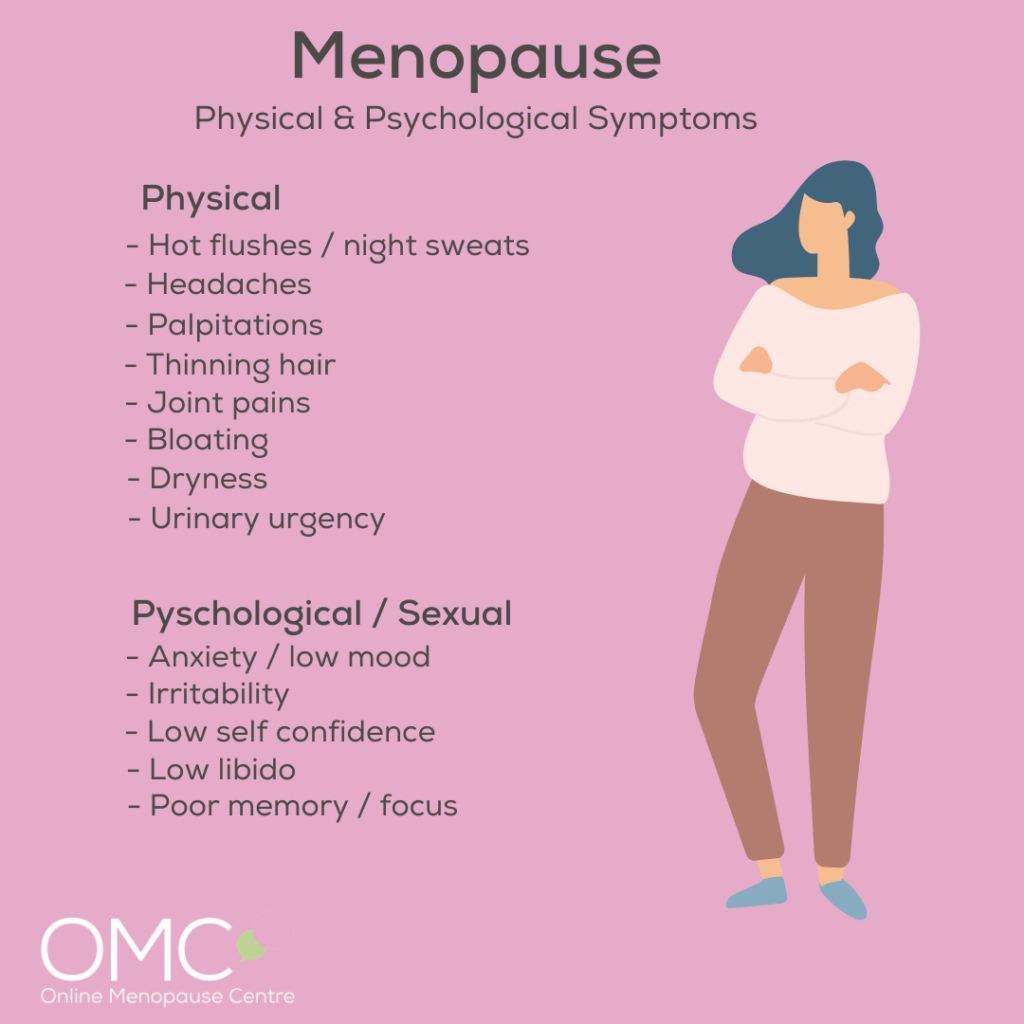
Bouffées de chaleur, sueurs nocturnes, diminution de l'élasticité et de la sécheresse de la peau, démangeaisons cutanées, baisse de la vision, yeux secs/gris, sécheresse vaginale, baisse de la libido, symptômes urinaires tels que cystites récurrentes, incontinence par impériosité/à l'effort, palpitations.
Déficit en progestérone
Anxiété, humeur maussade, irritabilité, mauvaise qualité du sommeil, augmentation des processus inflammatoires tels que douleurs articulaires, courbatures, ballonnements, sensibilité des seins, règles abondantes et douloureuses chez les femmes qui ont encore des règles régulières ou irrégulières.
Déficit en testostérone
Faible libido, diminution du tonus musculaire, difficulté à retenir les informations, manque de clarté dans les pensées, perte de confiance en soi, diminution de l'attention et de la concentration.
Déficit en DHEA
La DHEA ou Déhydroépiandrostérone est une hormone surrénalienne qui joue un rôle important dans nos niveaux d'énergie et notre sentiment de bien-être. Un manque d'énergie et de libido sont des symptômes courants d'une carence en DHEA.
Traitement de la ménopause
Visit our dedicated page on HRT
to find out more.
Recommandations en matière de nutrition et de mode de vie
La nutrition
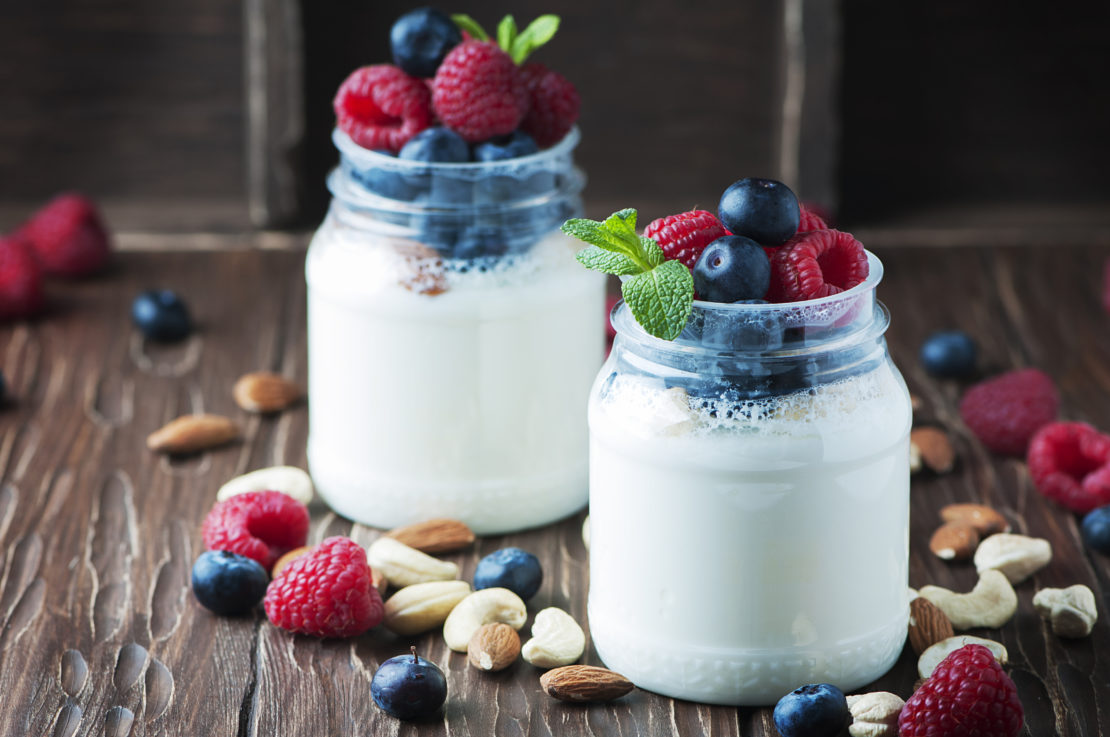
- Befriend “good fats” – good fats are your hormones “best friends”. Studies have also shown that ‘good fats’, particularly the essential fatty acids Omega-3, are particularly beneficial for cognitive function. Think wild oily fish such as mackerel, sardines, salmon and anchovies. Plant-based options are chia seeds, flaxseeds, avocado, nuts, such as almonds and Brazil nuts, and extra virgin olive oil.
- Natural probiotics – menopause can lead to low stomach acid causing foods to be only partially digested therefore leading to food fermentation in the gut, consequently causing issues such as a disrupted gut microbiota (the good bacteria in the gut), gut inflammation and food intolerances. Incorporate natural probiotics into your diet for a healthy gut, including dairy kefir, water kefir, kombucha, sauerkraut, and kimchi.
- Foods to avoid – try to remove hot and spicy foods from your diet, caffeine, alcohol and smoking to reduce hot flushes. Keep hydrated and particularly in the summer drink “cooling herbal waters” (add cucumber and mint to mineral water and drink throughout the day).

Mode de vie
- Manage stress – practice our lifestyle recommendations in the
Peri-menopause
section, particularly breathing. One study has shown that practising controlled breathing twice daily reduces hot flushes significantly. - Create a sleep ritual – turn your bedroom into a calm and nurturing space, and use the bedroom only for sleep or pleasant activities such as light reading, listening to calm music, meditating or sex.
- Avoid screens – try not to watch TV or use your computer, iPad, and mobile phone at least 1 hour before bedtime as the blue light they emit can decrease melatonin production affecting sleep.
- Avoid alcohol intake – reduce or avoid alcohol, especially in the evenings, and don’t drink caffeine after 2 pm as it’s a stimulant that can stay in your system for several hours.
- Learn new skills – look after your cognitive health by learning a new skill, but also by managing stress, sleeping well, and staying hydrated.
- Eat mindfully – digestion starts in the brain and mouth, so remember to chew your food very well.
- Embrace the menopause – menopause is truly a transformative and empowering stage of a woman’s life, it is the time to prioritise yourself and do what makes you happy!
