What is Polyendocrine Metabolic Ovarian Syndrome (PMOS)?
Although the exact cause of Polyendocrine Metabolic Ovarian Syndrome is unknown, it usually runs in families. PMOS is considered a metabolic condition and it is related to abnormal hormone levels including high insulin levels.
Women with PMOS are resistant to the actions of insulin and so produce a lot more insulin. There is higher production of testosterone and as they don’t ovulate regularly they are usually low in progesterone levels.
Symptoms of PMOS
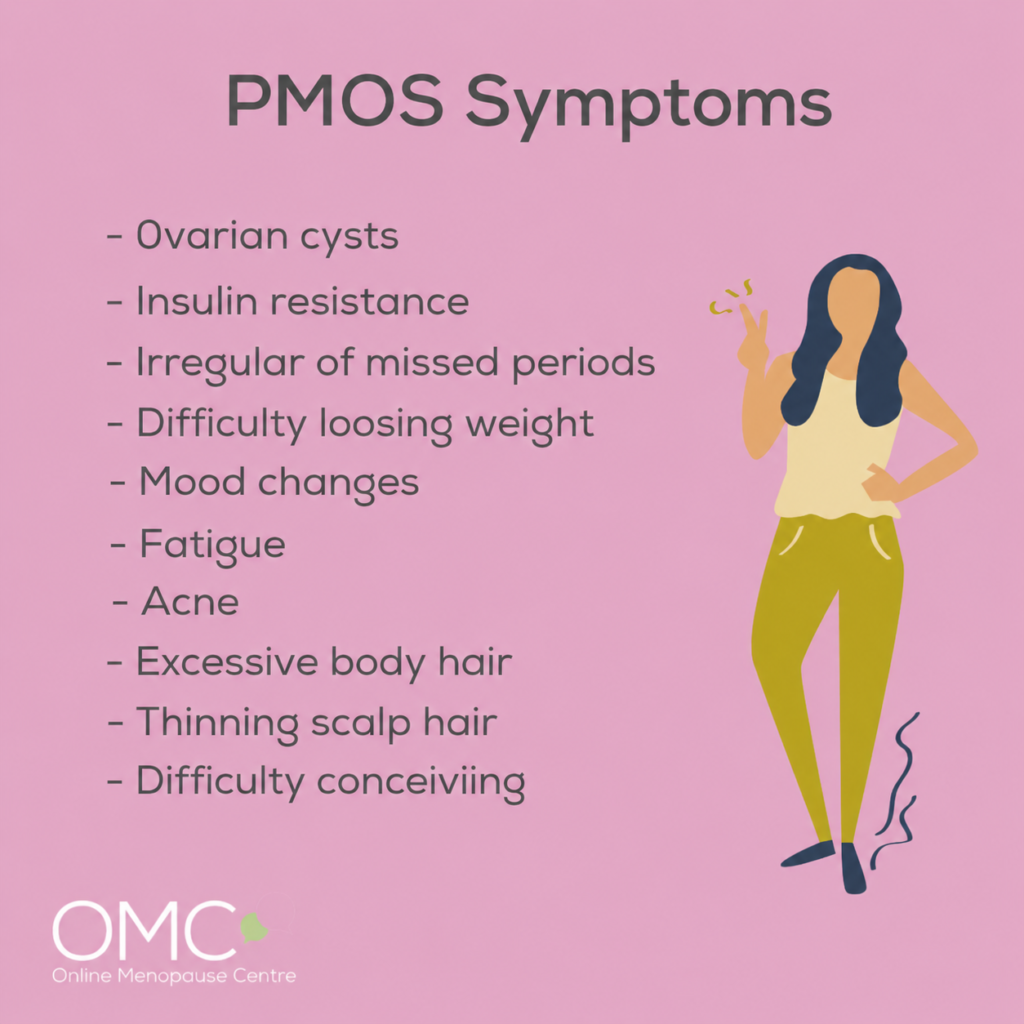
A woman who has symptoms of PMOS can have one or a number of the following:
Ovaires polykystiques
Comme les ovaires contiennent de nombreux sacs remplis de liquide (kystes), ils grossissent.
Excès d'androgènes (testostérone)
Il peut en résulter une croissance excessive des poils ou hirsutisme, sur le visage ou le corps. Peau grasse ou acné. l'amincissement des cheveux ou la perte de cheveux sur le cuir chevelu Prise de poids.
Cycles menstruels irréguliers ou inexistants
Cela est dû au fait que les ovaires ne libèrent pas d'ovules régulièrement, ce qui peut entraîner des problèmes de fertilité.
Treatment of PMOS
Il existe un certain nombre de traitements pour lesquels vous devez consulter un spécialiste (gynécologue).
As there is no proven cure for PMOS, treatment is best tailored around an individual woman’s symptoms. Checking female hormones and balancing any imbalances can help to improve symptoms.
Recommandations nutritionnelles
Pour une glycémie saine et une réduction de la résistance à l'insuline, incorporez les éléments suivants :
- Complex carbohydrates such as brown/wild rice, lentils, amaranth, quinoa, oats, and wholemeal sourdough bread
- A source of protein (organic eggs, wild fish, organic lean meat and poultry, beans/legumes, nuts/seeds) with every meal
- Fibre-rich foods such as rolled oats, ground flaxseeds, chia seeds, green leafy vegetables, grains, and almonds
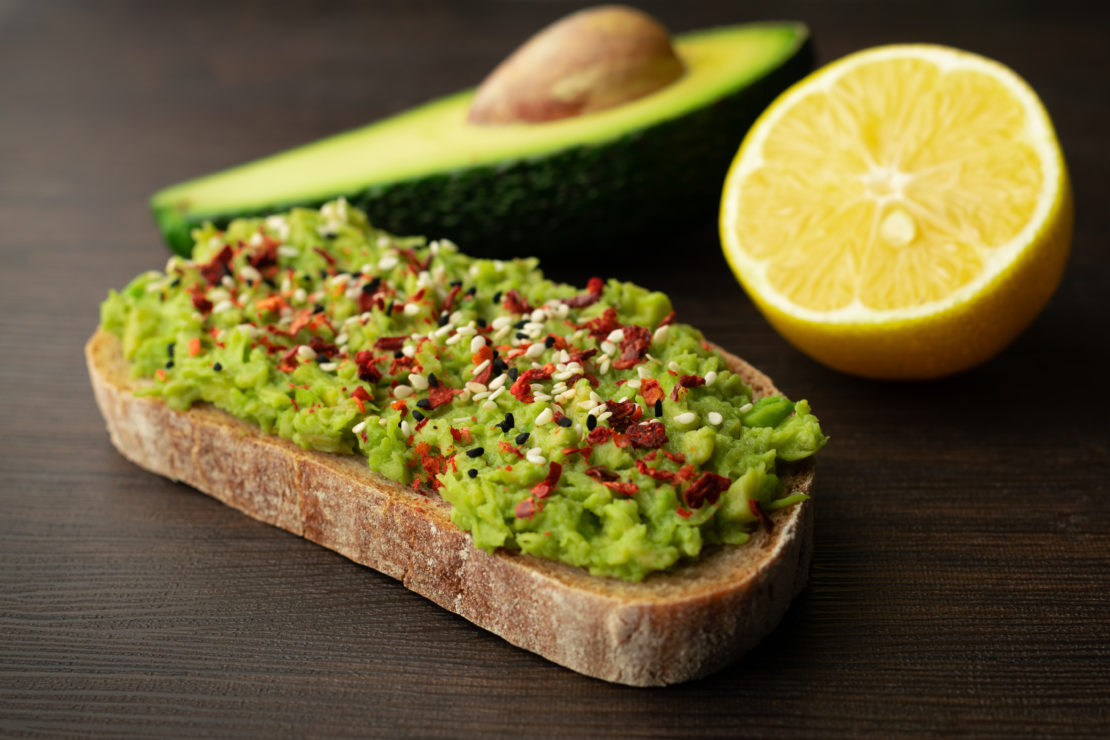
- Good fats, particularly the essential fatty acids Omega-3, present in wild oily fish such as mackerel, sardines, salmon and anchovies. Plant-based options are chia seeds, flaxseeds, avocado, nuts, such as almonds and Brazil nuts, and extra virgin olive oil
And avoid:
- Refined carbohydrates and sugar (such as white pasta, white rice, white bread, pastries, and sugary cereals) as well as trans fats (such as ready-made meals and sauces, margarine, fried fast-food, crisps, and biscuits)
Recommandations sur le mode de vie
Mode de vie
- Regular exercise supports healthy blood sugar and can help lowering insulin levels. It will also help you lose weight, which is recommended in PMOS if you are overweight. Try to find a type of exercise that you enjoy and suits your lifestyle. Outdoor exercise, particularly in nature, is a great way to move your body and manage stress levels at the same time.
- “Eat breakfast like a king, dinner like a pauper”. A study has shown that women with PMOS who ingested the majority of their daily calories (consumed their largest meals) early in the day at breakfast rather than at dinner time, significantly improved insulin sensitivity and sugar levels as well as decrease their testosterone levels.