
Bloating is a common symptom experienced by menopausal women. It often occurs early in peri-menopause stages though it varies from women to women, still postmenopausal women have the greater likelihood of experiencing this symptom. Menopause bloating is usually caused by the hormonal fluctuation which is essential in maintaining the health of the digestive system. As oestrogen declines, several digestive issues appear which then causes bloating, nausea, and constipation.
Obwohl die Hormonersatztherapie die beliebteste Behandlung bei hormonellen Veränderungen ist, müssen Sie vor der Einnahme solcher Medikamente Ihren Arzt konsultieren, da sie auch Blähungen verursachen, die eine bekannte Nebenwirkung dieser Therapie sind. Um dieses Symptom der Wechseljahre besser zu verstehen, lesen Sie diesen Artikel, um mehr darüber zu erfahren.
Sind Blähungen ein Symptom der Menopause?
The sensation of bloating is often characterised by an excessive buildup of gas, air, or liquid in the stomach. An individual might encounter sensations of abdominal tightness, pressure, or a feeling of fullness, which may or may not be accompanied by a noticeably enlarged belly.
Understanding the connection between menopause and bloating is the first step in addressing this discomfort. To delve deeper into the issue, let’s explore what causes bloating during menopause and discover potential remedies to alleviate this symptom effectively.

Was verursacht Blähungen in den Wechseljahren?
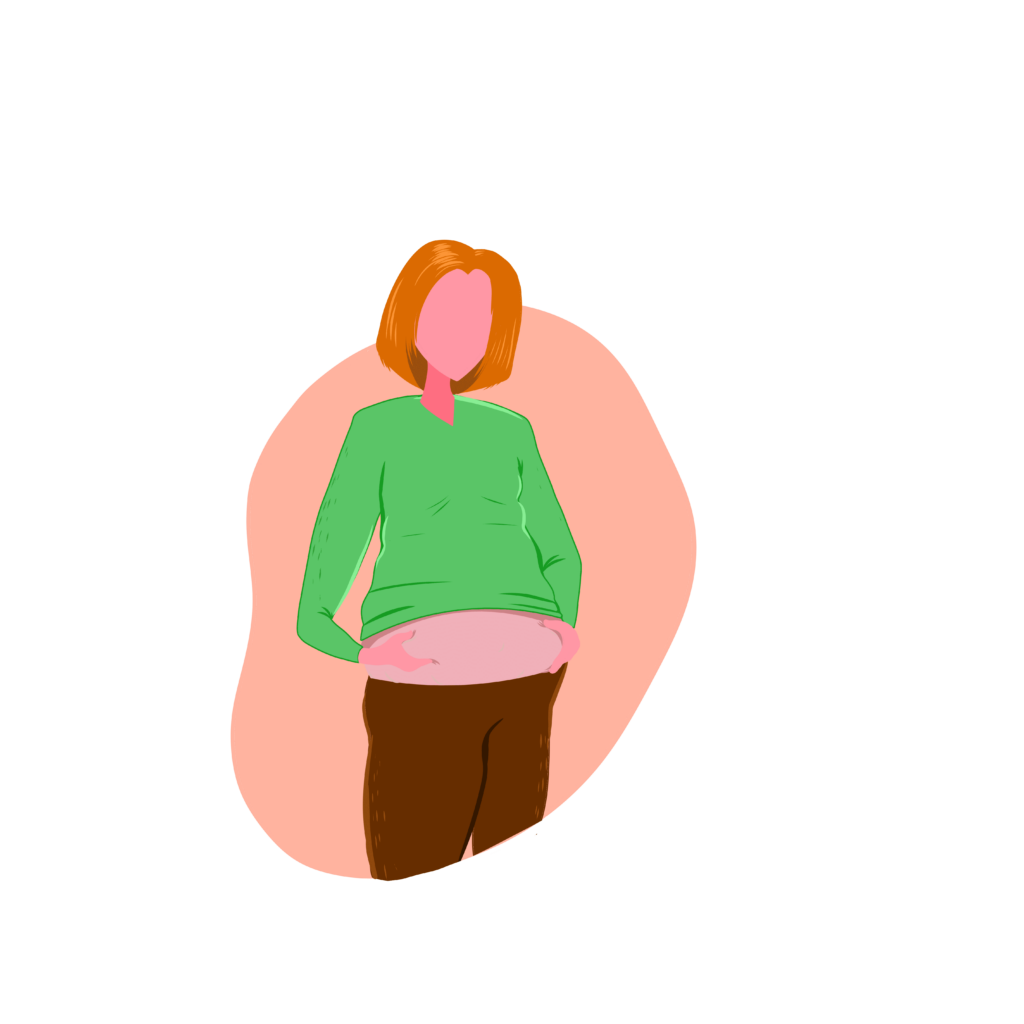
Menopause bloating is caused by the decline in oestrogen and progesterone which slows down the process of digesting your food passing through your gastrointestinal (GI) tract, a process called peristalsis. This delayed food digestion could cause bloating, constipation, and nausea.
Oestrogen serves an important role on a lot of biological functions specially on the digestive and gastrointestinal (GI) tract. According to the study conducted by Mathieu Meleine and Julien Matricon, sex hormones such as oestrogen control women’s susceptibility to stress which releases cortisol. Cortisol affects the number of good bacteria in the gut which makes an individual prone to irritable bowel syndrome (IBS) and is what’s causing bloating, stomach cramps, and constipation.
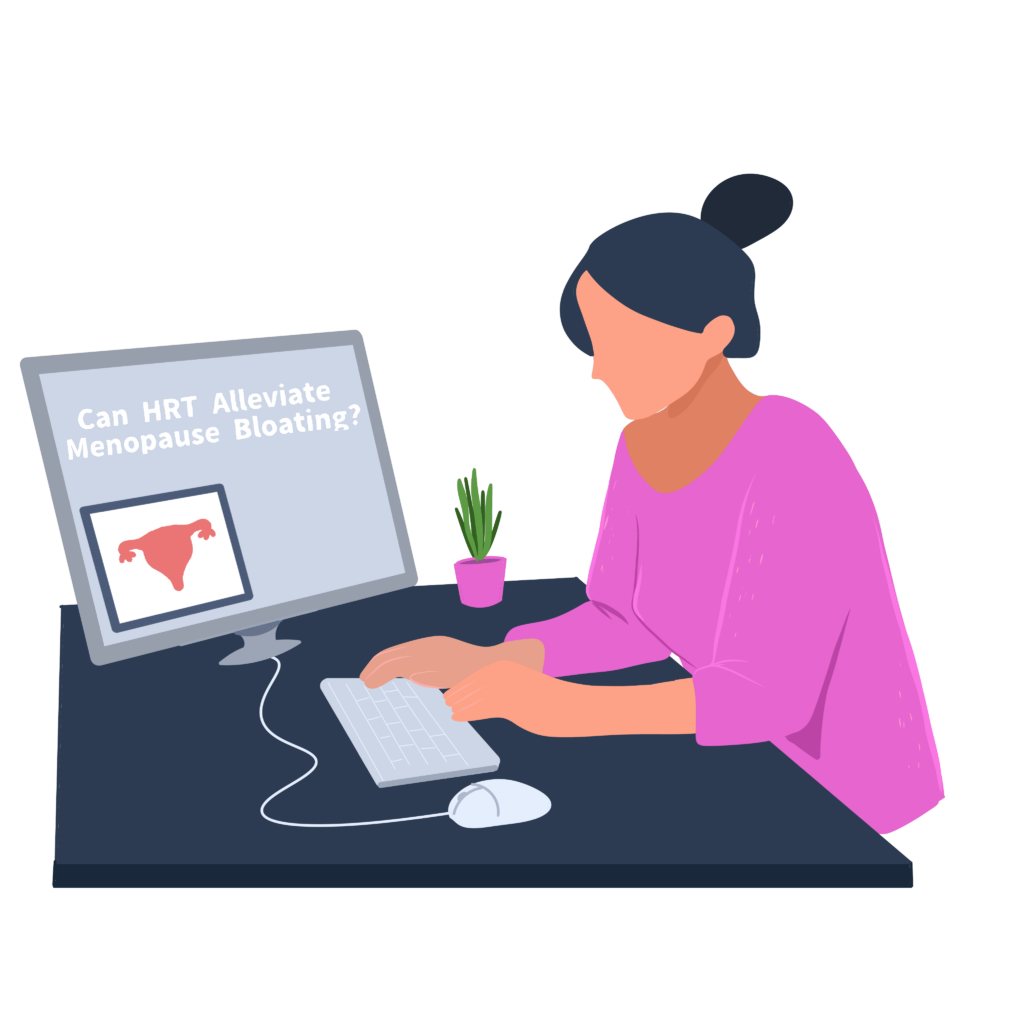
Kann HRT helfen, Blähungen in der Menopause zu lindern?
Based on the research conducted by Affiliated Hospital of Zunyi Medical University of China, postmenopausal women who never took hormonal therapies have lower reflux symptoms such as bloating compared to women who already took or are still undergoing HRT. According to them, there is a direct relationship between the risk of bloating with the increased oestrogen dosage and usage duration.
It is vital to understand that HRT may not be appropriate for every individual given its possible risks and side effects. Please contact the team at OMC so we can help you assess whether HRT is a viable option in treating your condition. To effectively manage menopause bloating, it is essential to take into account a variety of treatment alternatives, including lifestyle changes and alternative therapies.
Wie stoppt man Blähungen in der Menopause?
Für viele Frauen, die diese Übergangsphase durchlaufen, ist es ein Problem, Blähungen in den Wechseljahren zu stoppen und wirksam zu bekämpfen. Eine Änderung des Lebensstils kann helfen, diese Beschwerden zu lindern. In diesem Teil befassen wir uns mit zahlreichen Möglichkeiten, um Blähungen in den Wechseljahren zu stoppen. Hier ist eine Liste mit möglichen Maßnahmen:

Regelmäßige körperliche Aktivität
Verbessern Sie Ihre Hydratation
Wasser ist ein wesentlicher Bestandteil Ihres Körpers. Blähungen werden durch Verstopfung verursacht, die wiederum durch Dehydrierung hervorgerufen wird. Auch wenn es widersprüchlich erscheinen mag, gibt Ihr Körper die Flüssigkeit ab, die er nicht braucht, wenn er endlich die nötige Flüssigkeitszufuhr erhält. Bemühen Sie sich, mindestens acht Gläser Wasser pro Tag zu trinken.
Eine gesunde und ausgewogene Ernährung beibehalten
Bekämpfen Sie Blähungen mit einer ausgewogenen Ernährung. Wählen Sie Lebensmittel, die Entzündungen und Flüssigkeitsansammlungen reduzieren und die Gesundheit Ihres Darms fördern können. Ballaststoffreiche Lebensmittel helfen Ihnen, Verstopfung zu reduzieren, und Kalium hilft Ihrem Körper, einen gesunden Flüssigkeitshaushalt aufrechtzuerhalten. Zu diesen Lebensmitteln gehören Spargel, Äpfel, Avocado, Bananen, Gurken und Hafer. Vermeiden Sie außerdem zu viele blähende Lebensmittel wie kohlensäurehaltige Getränke, Bohnen und Kreuzblütler.
Richtiges Management von Stress und Ängsten
Ständiger Druck kann Wechseljahrsbeschwerden wie Blähungen verschlimmern. Stress und Ängste können das empfindliche Gleichgewicht der Verdauung stören. Stress verlangsamt bei manchen Menschen die Verdauung und führt zu Blähungen, Unwohlsein und Verstopfung, während er bei anderen die Verdauung beschleunigt und Durchfall und häufige Toilettengänge verursacht. Um Blähungen zu lindern und das allgemeine Wohlbefinden zu steigern, sollten Sie Praktiken zur Stressreduzierung wie tiefe Atmung, Meditation oder Achtsamkeit anwenden.
Kleinere Mahlzeiten verzehren
Blähungen werden häufig durch übermäßiges Essen verursacht. Kleinere Portionen sollten das Völlegefühl lindern. Der Verzehr von schweren und fettigen Lebensmitteln kann ein Völlegefühl hervorrufen. Fett braucht länger als Eiweiß oder Kohlenhydrate, um verdaut zu werden, und hält den Magen über einen längeren Zeitraum voll.
Diese praktischen Maßnahmen spielen eine wichtige Rolle bei der Verringerung und Vorbeugung von Blähungen in den Wechseljahren. Sie bieten einen ganzheitlichen und natürlichen Ansatz zur Behandlung dieser häufigen Wechseljahrsbeschwerden. Im folgenden Teil werden wir uns ansehen, wie Nahrungsergänzungsmittel bei Blähungen in den Wechseljahren helfen können.

Welche Ergänzungen können Sie für Menopause Blähungen nehmen?
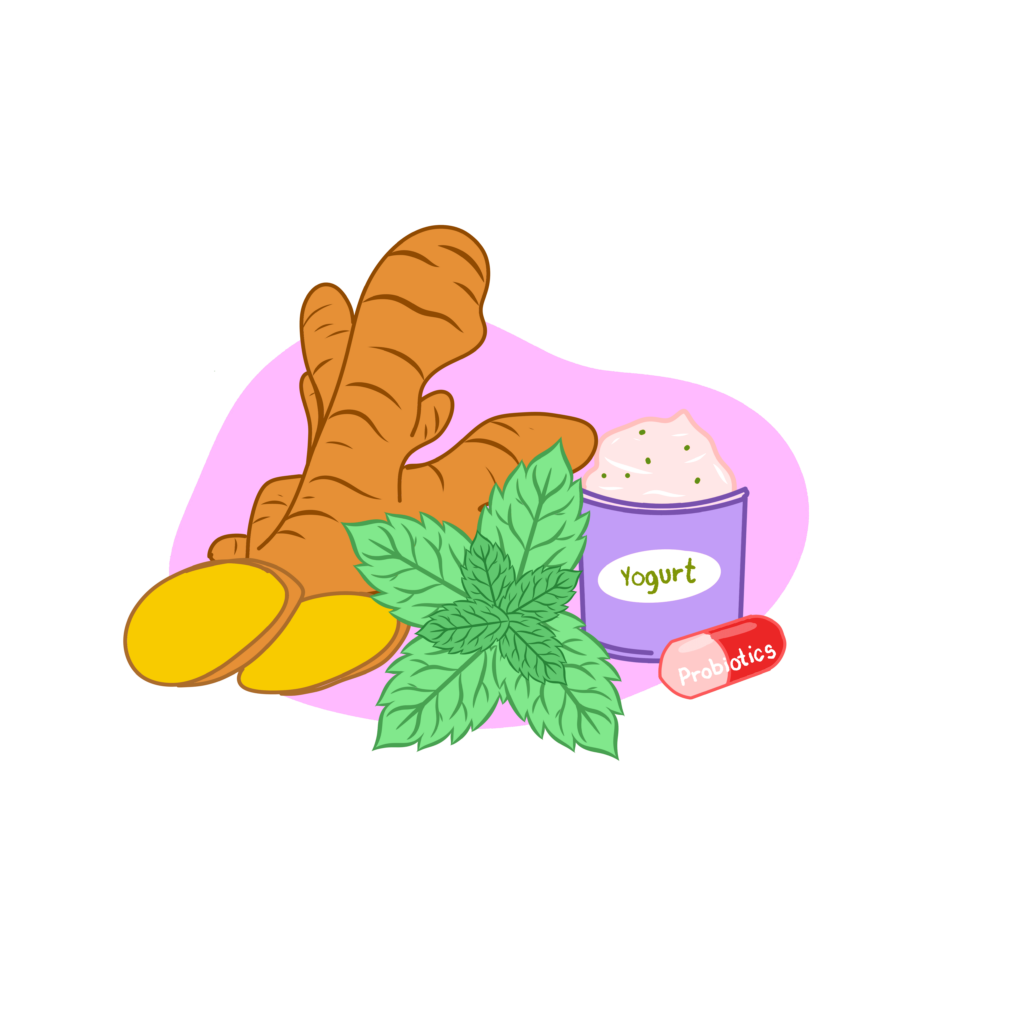
Look for organic components in supplements and avoid ones with synthetic substances or fillers. Ginger, peppermint, fennel, and chamomile are some common natural compounds to check for. These substances have been demonstrated to help relieve bloating and soothe the digestive tract.
If you’re looking for over-the-counter, then probiotics are a good choice for supplements to get. According to a systematic review regarding the effects of probiotics on bloating, it was suggested that probiotics can relieve gastrointestinal symptoms as well as prevent diarrhoea caused by antibiotics.
It is essential that you consult with a healthcare physician before beginning any supplement regimen to confirm that they are safe and suited for your unique needs. The severity of bloating in both the perimenopausal and postmenopausal stages will be discussed in the next section, bringing light on the variances and obstacles that women may face.
Severity of Bloating in Peri-menopause and Postmenopausal Stages
According to the research from the University of Washington, postmenopausal women had higher chances of experiencing bloating which is 38% compared to perimenopausal women with just 14%. While transition to menopause varies greatly from women to women, their study suggested that postmenopausal women reported higher levels of digestive issues.
In order to properly manage the issues presented by menopausal bloating, it is imperative to comprehend these variations. We’ll look at how long bloating lasts during menopause in the following section to give you some idea of how long this symptom usually lasts.
Wie lange dauern Blähungen in den Wechseljahren?
While it is considered a symptom of menopause, consider taking HRT as an option to stop the occurrence of this digestive tract issue. You must also take note that taking HRT might cause you mild bloating as well. Side effects of HRT usually settle within 6–8 weeks of starting treatment, a fact established by the NHS.
It is important to remember, however, that menopausal bloating is often a symptom that improves with time and proper management measures. Understanding the probable duration of bloating might provide women peace of mind as they traverse this stage of life.
Wann sollten Sie einen Arzt aufsuchen?
Our clinic specialises in women’s health during menopause and can give comprehensive exams and customised treatment regimens to meet your specific needs. Contact us today to see how we may assist you with your symptoms.
