
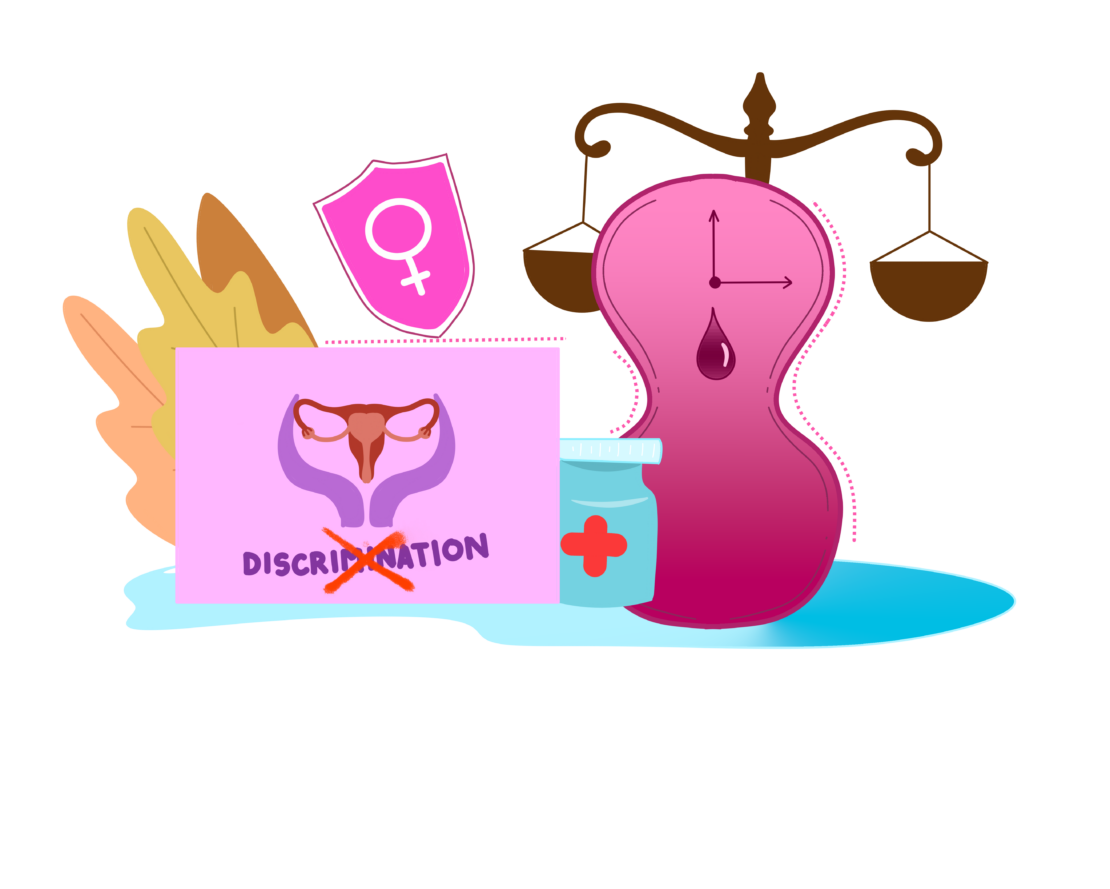


Menopause Law in the UK and the Importance of Workplace Policies

In the modern business landscape, understanding the physiological changes experienced by the workforce is absolutely crucial to fostering a supportive, inclusive environment. One of these changes, often overlooked yet tremendously significant, is menopause.
This article aims to shed light on the legal framework surrounding menopause in the UK, including the application of the Health and Safety at Work Act 1974, and the vital role of comprehensive workplace policies, and the critical role of comprehensive workplace policies.

Menopause and the Law in the UK

In the UK, the legal framework protects women experiencing menopause symptoms from discriminatory treatment. The Equality Act 2010, a landmark piece of legislation, covers various forms of discrimination including age, sex, and disability.
Significantly, symptoms of menopause can fit into these categories. If a woman experiences severe symptoms, such as memory loss or psychological problems, these could potentially be classified as a disability under the Equality Act. This means that an employer must make reasonable adjustments to support the employee in question.
Meanwhile, the Health and Safety at Work Act 1974 further bolsters this protective framework. This act places a duty of care on employers to ensure the health, safety, and welfare of their employees. It means that employers must provide a safe working environment that accommodates the needs of all employees, including those undergoing menopause.
In the context of menopause, this might mean making physical adjustments such as improving workplace ventilation or providing easier access to rest facilities. It also encourages employers to take steps that consider the mental well-being of staff, such as providing flexible work arrangements or stress management support.
Additionally, the Employment Rights Act 1996 provides protection against unfair dismissal. Employees who are dismissed because of issues related to menopause may have a case for unfair dismissal under this Act.
In a landmark 2012 employment tribunal case, a woman who was dismissed due to her menopause symptoms successfully argued that her dismissal was unfair and discriminatory based on her sex. This was the case of Merchant v BT Plc, and this ruling paved the way for menopause to be recognised as a serious issue for workplace equality.

The Employment Rights Act 2025 and Menopause Action Plans

Workplace expectations around menopause support continue to evolve, and employers are increasingly being encouraged to take a more proactive approach to employee wellbeing, flexible working and workplace inclusion.

As workplace awareness of menopause continues to evolve, employers are increasingly being expected to take proactive steps to support employees experiencing menopause symptoms at work. The Employment Rights Act 2025 places greater emphasis on workplace wellbeing, employee protection, flexible working and employer accountability, further reinforcing the importance of comprehensive menopause support within organisations.

For many employers, this includes the development of formal Menopause Action Plans that move beyond simply having a written policy in place. A successful menopause strategy should demonstrate meaningful action across the organisation and embed menopause awareness into workplace culture, leadership and operational practices.

A robust Menopause Action Plan may include:

  • Menopause awareness training for managers and employees
  • Clear reporting and support pathways
  • Flexible working considerations
  • Menopause-informed absence management approaches
  • Workplace risk assessments and environmental adjustments
  • Access to expert support and evidence-based information
  • Psychological safety and stigma reduction initiatives
  • Menopause Champions or peer support networks

Employers are increasingly recognising that menopause is not solely a wellbeing issue, but also a significant employee retention, inclusion and business performance issue.

Without appropriate support, menopause symptoms such as insomnia, anxiety, fatigue, poor concentration, hot flushes and low mood can have a substantial impact on an employee’s workplace experience and confidence. Many employees reduce hours, turn down promotions or leave employment entirely because they do not feel adequately supported.

Importantly, every employee’s experience of menopause is different, meaning support and adjustments should always be approached on an individual basis.

Menopause Policies at Work: An Emerging Necessity

A menopause policy is an increasingly important tool that businesses can use to support their employees through this natural life stage. By developing a comprehensive menopause policy, organisations are not just meeting legal obligations but also enhancing their employer brand, reducing absenteeism and promoting a more inclusive culture.

Menopause Training and Awareness:

The cornerstone of a robust menopause policy is raising awareness. Menopause training programs can be instrumental in educating employees about menopause, breaking down misconceptions, and encouraging an empathetic understanding. Providing practical knowledge about what to expect can equip employees to better support their colleagues.

Supportive Management:

Managers play a pivotal role in implementing menopause policies effectively. They should be trained to recognise symptoms, engage in open, sensitive conversations with employees, and provide necessary adjustments. This fosters a supportive atmosphere and ensures no employee feels marginalised due to their menopause symptoms.

Workplace Adjustments:

Each person’s menopause journey is unique, which means that adjustments need to be personalised. Some employees may need changes to the physical workspace, such as better ventilation or access to cold drinking water. 


Others may benefit from flexible working hours, enabling them to manage symptoms like insomnia or fatigue without impacting their professional responsibilities.

Access to Occupational Health:

A strong menopause policy also ensures access to occupational health services. These professionals can provide specific advice and recommendations tailored to each individual’s needs, supplementing the support offered by general practitioners.

Confidentiality and Sensitivity:

Conversations around menopause must be handled with utmost confidentiality and sensitivity. Creating a safe, comfortable space for employees to discuss their symptoms and concerns is integral to a well-rounded menopause policy.

Making the best choice for your employees

In conclusion, understanding and implementing menopause law and policy is not just about compliance with legal obligations. It’s about demonstrating a commitment to an inclusive and empathetic workplace culture, ensuring the well-being of employees, and ultimately creating a productive and comfortable working environment for all.
At OMC, we offer comprehensive menopause training services to businesses of all sizes. Our experts can guide your organisation in developing and implementing a tailored menopause policy, training your managers, and providing education and support to your employees. With our help, you can ensure that your workplace is not just legally compliant but truly supportive of employees navigating the menopause transition.
Scroll to Top