
Was ist das prämenstruelle Syndrom (PMS)?
PMS sind die Symptome, die Frauen Tage oder Wochen vor ihrer Periode erleben können. Die meisten Frauen verspüren einige Symptome vor ihrer Periode, die jedoch in ihrer Schwere erheblich variieren können. Die genaue Ursache von PMS ist nicht bekannt, aber sie kann auf Veränderungen des Hormonspiegels während des Menstruationszyklus zurückzuführen sein. Bei einer kleinen Zahl von Frauen können sehr schwere PMS-Symptome auftreten, die als prämenstruelle Dysphorie (PMDD) bezeichnet werden.
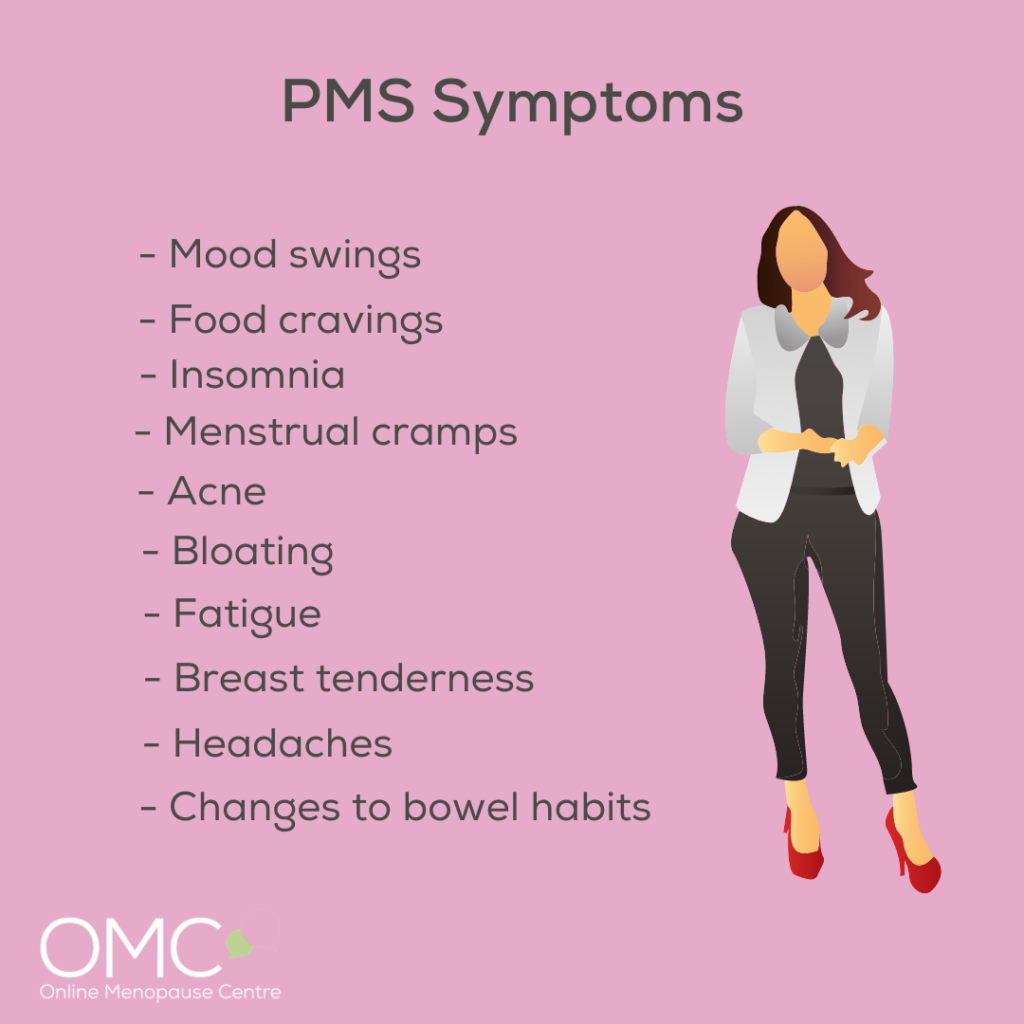
Symptome des prämenstruellen Syndroms (PMS)
Die Untertypen von PMS basieren auf den auffälligsten und schwerwiegendsten Symptomen. Diese können von psychischen bis hin zu körperlichen Symptomen reichen:
PMS-A (Anxiety) – the most common type, includes anxiety often alongside irritability and mood swings. Usually a result of estrogen dominance (high ratio estrogen:progesterone). May result in slightly shorter cycles.
PMS-C (Cravings) – involves food cravings, particularly simple carbohydrates and refined sugars. Creates blood sugar imbalances, which result in tiredness and difficulty concentrating, and can further affect your sex hormones.
PMS-H (Hyperhydration) – related to high levels of water retention, bloating and breast tenderness. Also related to an excess of estrogen.
PMS-D (Depression) – the least common type but more serious, associated with symptoms of depression such as low mood, tearfulness, insomnia and social withdrawal. Usually caused by very low levels of estrogen and high progesterone. May result in slightly longer menstrual cycles.
Behandlungen für PMS
Die Bewältigung der Symptome durch Therapie und Unterstützung sowie die Einnahme von Medikamenten gegen die Schmerzen kann helfen. Ein Hormonausgleich bei Frauen, die deutliche Symptome aufweisen, kann ebenfalls von Vorteil sein. Änderungen des Lebensstils und der Ernährung spielen in vielen Fällen eine wichtige Rolle und ermöglichen es der Frau, dies selbst in die Hand zu nehmen.
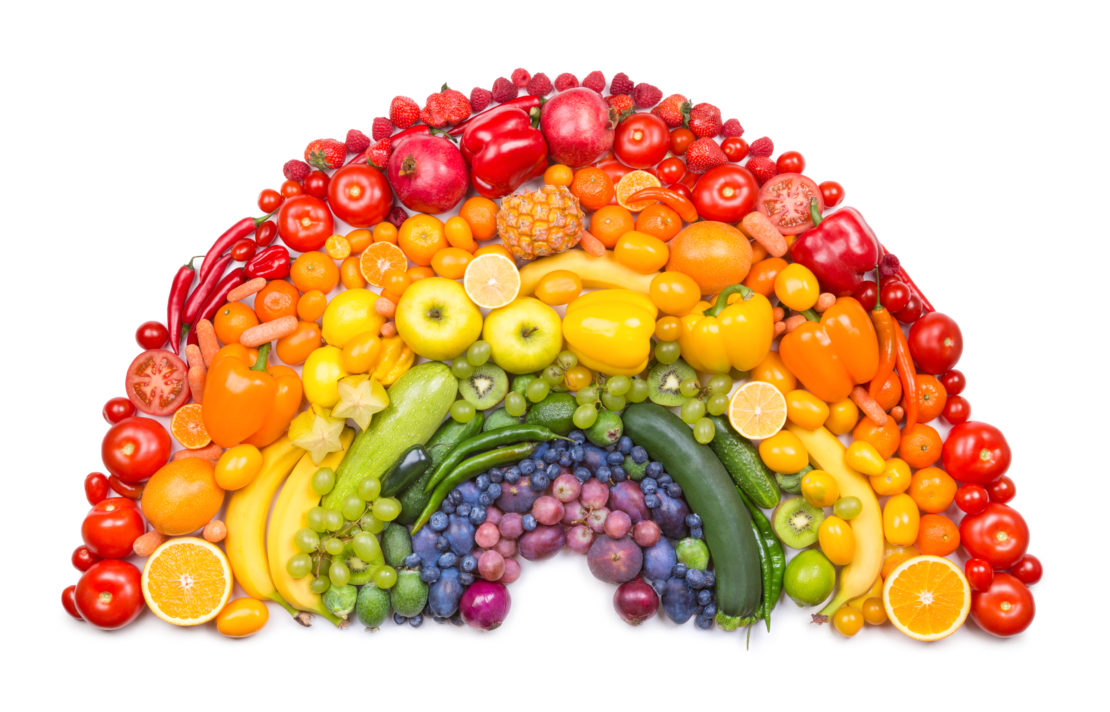
Empfehlungen für die Ernährung
- In case of PMS-A, the key steps from a nutritional point of view would be to include more foods to support estrogen metabolism and detoxification in the body – follow our nutrition recommendations in our endometriosis page.
- In case of PMS-C, the priority would be to improve blood sugar balance and insulin sensitivity – follow our nutrition recommendations in our PMOS page.
- In case of PMS-H, make sure you drink plenty of water (at least 1.5 L daily, coffees and teas do not count), be aware of your salt intake and incorporate foods rich in potassium (a mineral that helps regulating fluids in the body) such as leafy greens, sweet potatoes, avocados, dried apricots, beans and lentils.
- In case of PMS-D, incorporate foods that have a positive effect on brain health and mood. In addition, consider foods rich in phytoestrogens such as soybeans, tempeh, miso soup, flaxseeds, and yams.
Lebensstil-Empfehlungen
Follow our lifestyle recommendations in the following pages to address different PMS-associated symptoms:
- Peri-menopause and Endometriosis
pages, if PMS-A dominant, in order to manage anxiety and estrogen dominance - PMOS page, if PMS-C dominant, in order to manage blood sugar imbalance
- Peri-menopause page, if PMS-D dominant, in order to manage low mood In addition, consider:
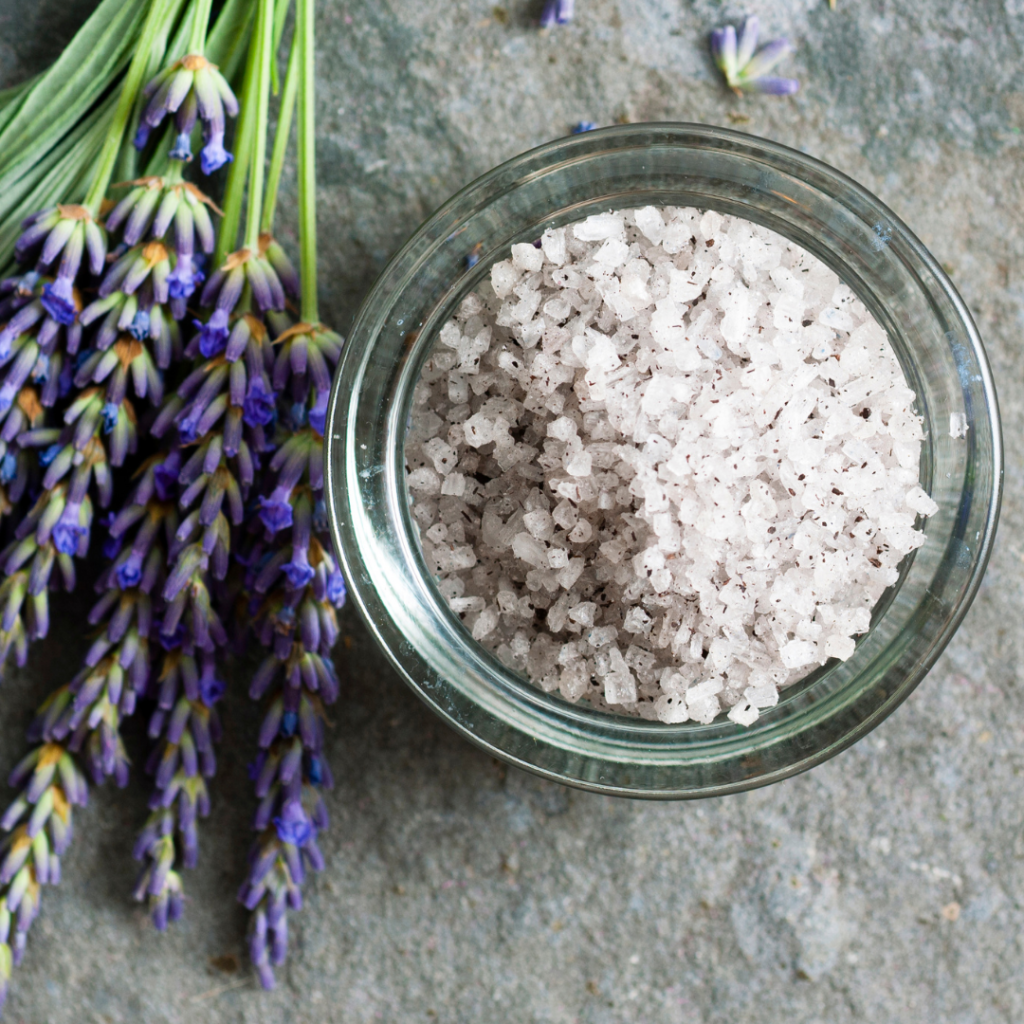
- Aromatherapy, which can help balancing hormones and addressing mood changes – try clary sage, lavender or rose essential oils (3–5 drops in a diffuser or bath)
- Epsom salt baths (they are rich in magnesium) for hormone balancing and reducing pain/cramping that can also be associated with PMS
- Tune into your body and create more menstrual cycle awareness – it will help you to better understand and love your body, and consequently to recognise its needs. You can also consider a woman’s health coach.