
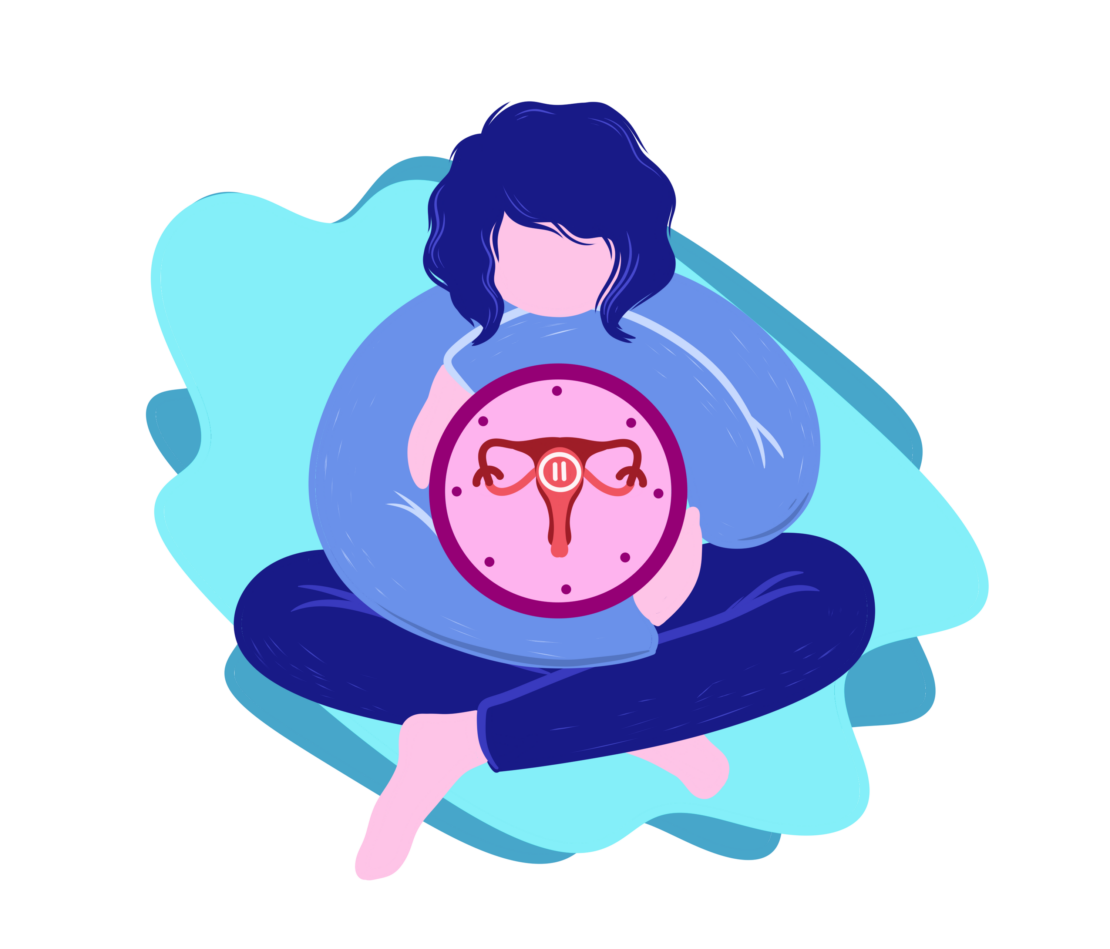
Juckende Haut in den Wechseljahren ist klinisch als "Pruritus" bekannt und wird durch einen Rückgang des Östrogens in den Wechseljahren verursacht. Mit dem Absinken des Östrogenspiegels sinkt auch die Kollagenbildung, die für die Gesundheit der Haut wichtig ist.
Frauen, die sich in den Wechseljahren befinden, haben häufig juckende Haut, die sich stachelig, kribbelig und wie Nadelstiche anfühlt. Behandlungen wie die Hormonersatztherapie können die negativen Auswirkungen minimieren und diese Symptome der Wechseljahre lindern.
In diesem Artikel werden wir dieses Symptom ausführlicher behandeln, um Ihnen zu helfen, die Ursachen und Lösungen zu verstehen, und um Ihnen im Idealfall bei Ihren Beschwerden zu helfen.
Was ist juckende Haut in den Wechseljahren?

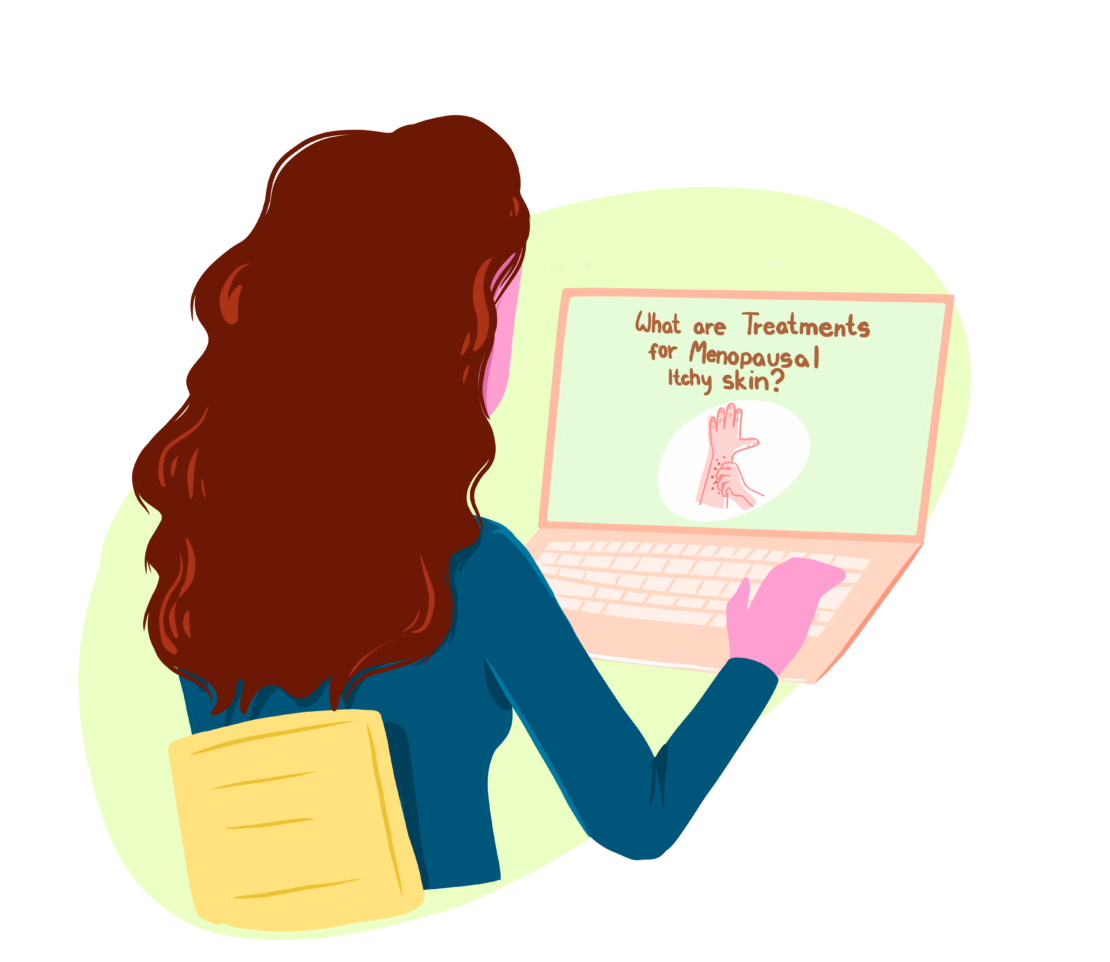
Menopausal itchy skin, also known as “pruritus,” is a sensation of irritation and discomfort that causes an urge to scratch that is widely reported by women going through menopause.
Pruritus is the primary skin concern in women older than 65 years. The fluctuation in oestrogen levels can lead to dryness, reduced collagen production, and changes in the skin’s elasticity, which lead to the sensation of itchy skin.
Itchy skin during menopause can affect numerous parts of the body, such as the face, neck, chest, vagina, and limbs, making daily activities and sleep increasingly difficult for those who suffer from it. During this stage, it is often characterised by dryness, redness, flaking, and general sensitivity, and the skin is more vulnerable to irritants and normal wear and tear.
Direct repercussions include reduced barrier function, lower lipid levels, and diminished natural oils on the skin’s surface, laying the groundwork for understanding the deeper causes and mechanisms of this irritating condition. If you’re having this kind of symptom, reach out to us at OMC so we can help you with your problem.
Was verursacht juckende Haut in den Wechseljahren?
Collagen, which is important for skin elasticity, also declines, resulting in sagging and wrinkles. Hormonal changes disturb the skin’s balance of oils and moisture, resulting in several skin concerns during menopause. As a result, itchy skin caused by dryness issues are more common among menopausal women who do not use hormone replacement therapy (HRT).
According to the research conducted by the Brazilian Ministry of Health which launched the Program for Integrated Women’s Health Care, oestrogens are necessary for skin hydration because they promote the structural proteins of skin, promote sebum production, increase water retention, and protect skin from excessive water loss.
Significant proportion of menopausal women, up to 50% or more, experience these skin-related discomforts, making it a common, yet frequently under-discussed, facet of menopausal health. As we look more into the effects of menopause on women’s health, it becomes clear that itchy skin is frequently associated with other menopausal symptoms such as hot flashes and night sweats, providing a more complete picture of the physiological changes women go through during this critical stage of life.

How Many Women
Experience Itchy Skin During Menopause?
In den Wechseljahren leidet ein beträchtlicher Teil der Frauen an juckender Haut. Schätzungen zufolge leiden etwa 64 % oder mehr der Frauen in dieser Übergangsphase unter Hautschmerzen unterschiedlichen Ausmaßes. Diese Prävalenz wird in einer von Gleison V. Duarte, MD, PhD et.al. durchgeführten Studie hervorgehoben, die Hautprobleme, einschließlich Juckreiz, als häufige, aber weniger diskutierte Erscheinungsformen der Wechseljahre hervorhebt.
Wenn wir über juckende Haut in den Wechseljahren sprechen, wird deutlich, dass die Erkrankung keine bestimmte Körperstelle bevorzugt. Diese Beschwerden können den Körper einer Frau an einer Reihe von Stellen betreffen, darunter das Gesicht, der Nacken, der Rücken und die Extremitäten, was darauf hindeutet, dass die Wechseljahre einen erheblichen Einfluss auf die allgemeine Empfindlichkeit und Gesundheit der Haut haben.
Kann HRT das juckende Hautgefühl in den Wechseljahren stoppen?
In the study made by Brincat et al, they discovered a very strong relationship between skin collagen and skin thickness (measured radiologically) in both postmenopausal women on oestrogen replacement treatment and untreated postmenopausal women. It was found that after treatment for 6 months, elasticity and firmness of the skin had markedly improved and the wrinkle depth and pore sizes had decreased by 61 to 100%. Furthermore, skin hydration was enhanced, and wrinkle measurements using skin profilometry demonstrated considerable, although not highly significant, reductions in wrinkles.
Welche Behandlungen gibt es für juckende Haut in den Wechseljahren?
Treating menopausal itchy skin involves a combination of lifestyle changes, skincare routines, and medical interventions. We at OMC may recommend topical creams or ointments to soothe the itchiness or suggest lifestyle modifications as well as specifically formulated skincare. The following are some possible treatments for menopausal itchy skin:
Änderung des Lebensstils:
Bestimmte Änderungen des Lebensstils sind wichtig, um trockene Haut und Juckreiz zu reduzieren, insbesondere in den Wechseljahren. Lebensmittel, die reich an Vitamin E sind, wie Mandeln, Avocados, Haselnüsse und Pinienkerne, sind eine gute Wahl zur Erhaltung der Hautgesundheit. Außerdem sollten Sie viel Wasser trinken und die Hautgesundheit mit einer Ernährung unterstützen, die reich an essenziellen Fettsäuren und Antioxidantien ist.
Geeignete Hautpflege:
Eine sanfte Hautpflegeroutine mit milden Reinigungsmitteln und wirksamen Feuchtigkeitscremes ist ebenfalls von Vorteil, während Produkte, die der Haut ihre natürlichen Fette entziehen, vermieden werden sollten. Verzichten Sie auf starke Peelings und schäumende Reinigungsmittel, da sie Ihre Haut austrocknen. Suchen Sie stattdessen nach Pflegeprodukten mit feuchtigkeitsspendenden Wirkstoffen wie Hyaluronsäure, Ceramiden und Ceramiden.
Baden:
Baden Sie möglichst nicht in heißem Wasser, da dies Ihre Haut schuppig und trocken macht. Außerdem entzieht es Ihrer Haut die natürlichen Öle, was zu Juckreiz führt. Die Exposition gegenüber heißem Wasser und die Verwendung von Luftbefeuchtern können helfen, eine zusätzliche Austrocknung der Haut zu verhindern. Wenn Sie an heiße Bäder gewöhnt sind, sollten Sie sie auf eine lauwarme Temperatur einstellen und die Badedauer auf höchstens 15 Minuten begrenzen, um Ihre Haut nicht zu schädigen und ihr nicht ihr natürliches Fett zu entziehen. Und schließlich sollten Sie auf starke Seifen verzichten, die Ihrer Haut die Öle entziehen können, und stattdessen milde Reinigungsmittel verwenden.
Medikamente:
Die medikamentöse Behandlung von juckender Haut, insbesondere in den Wechseljahren, ist je nach Ursache unterschiedlich. Anti-Juckreiz-Cremes (topische Kortikosteroide) werden häufig verschrieben, um Entzündungen und Juckreiz zu lindern. Auch Antihistaminika sind eine gute Alternative, um den Juckreiz zu lindern. Lotionen und Cremes, die Menthol enthalten, können ebenfalls helfen, da sie eine kühlende Wirkung auf die betroffenen Stellen haben.
Aktuelle Themen:
Eine mittelstarke Steroidcreme, z. B. Hydrocortison, wird häufig zur kurzfristigen Anwendung, in der Regel für ein paar Tage, auf kleinen, entzündeten Stellen empfohlen. Diese Lotion hilft, den Juckreiz zu lindern und die Entzündung zu verringern. Nicht reizende Feuchtigkeitscremes sind rezeptfrei erhältlich, oder Sie können sie nach Rücksprache mit einem Facharzt kaufen.
Therapien (HRT):
Eine Hormonersatztherapie (HRT) kann helfen, juckende Haut in den Wechseljahren zu behandeln, indem sie das hormonelle Ungleichgewicht behebt, das das Symptom verursacht. Eine HRT kann die Trockenheit verringern und die allgemeine Qualität der Haut verbessern, indem sie den unzureichenden Östrogenspiegel wiederherstellt. Es ist jedoch wichtig, sich von einem Gesundheitsexperten beraten zu lassen, da die Hormonersatztherapie nicht für jeden geeignet ist und gewisse Risiken birgt. Wenn Sie sich nicht sicher sind, ob Sie eine Hormonersatztherapie gegen Ihre Wechseljahrsbeschwerden einnehmen sollten, wenden Sie sich an das Team der OMC, damit unsere Ärzte und Krankenschwestern Ihren Zustand überprüfen und Ihnen eine bessere Empfehlung geben können.
Sun protection techniques such as using sunscreen, as well as apparel composed of skin-friendly natural fibres like cotton and silk are good choices to protect the skin’s natural protein structure and dark or bright coloured clothing can protect your skin from damaging UV radiation. These comprehensive techniques work in tandem to increase skin hydration and overall health.
Was verursacht juckende Haut in den Wechseljahren?
A study from the Brazilian Ministry of Health indicated that skin disorders like itchy skin are often associated with night sweats, hyperhidrosis, and hot flashes which are all prevalent complaints among 35% to 50% of perimenopausal women and 30% to 80% of postmenopausal women. Menopausal hyperhidrosis is classed as secondary hyperhidrosis, with symptoms that may be relieved by HRT, implying that the reason is decreased oestrogen levels.
Similarly, sleep difficulties, another typical complaint during menopause, might develop as a result of itchy skin irritation, emphasising the interrelated nature of menopausal symptoms.
Welche Bereiche sind am häufigsten von diesem Symptom betroffen?
While these methods can be useful, it’s also vital to keep track of how symptoms change during the day. Some women claim that itchiness worsens at night, presumably due to the lack of daily distractions and the natural decline in cortisol levels. Understanding these daily patterns is essential for managing menopausal itchy skin properly and may influence therapy time and technique.

Gibt es eine bestimmte Tageszeit, zu der es typischerweise auftritt?
According to a study from Temple University’s Lewis Katz School of Medicine, sleep alters skin barrier function, which may lead to pruritus. At night, trans-epidermal water loss (TEWL), a measure of skin barrier integrity, increases. Increased water loss leads to impaired skin barrier function which allows substances called pruritogens to penetrate the skin and trigger the sensation of itch and a desire to scratch.
Moving forward, controlling menopausal skin itching necessitates identifying causes such as hormone changes, stress, environmental influences, and dietary or hydration choices. Understanding them is essential for good symptom management
Was sind die häufigsten Auslöser, die den Juckreiz in den Wechseljahren verstärken können?
External factors can also aggravate skin itching during menopause. Irritating soaps, detergents, and skincare products might aggravate the itching. Hot showers or baths with hot water can strip away natural oils from the skin, exacerbating the issue. Furthermore, certain textiles, such as wool or synthetic materials, might create friction and itching against sensitive skin. Skin irritation can be exacerbated by environmental variables such as dry air or severe temperatures.
Furthermore, itchy skin during menopause is frequently associated with a range of altered skin sensations also known as paresthesia which is characterised by having numbing, burning, prickly or crawly skin sensations implying a complex link between hormonal changes and neurological symptoms after menopause.
Steht Pruritus im Zusammenhang mit anderen Arten von veränderten Hautempfindungen in den Wechseljahren?
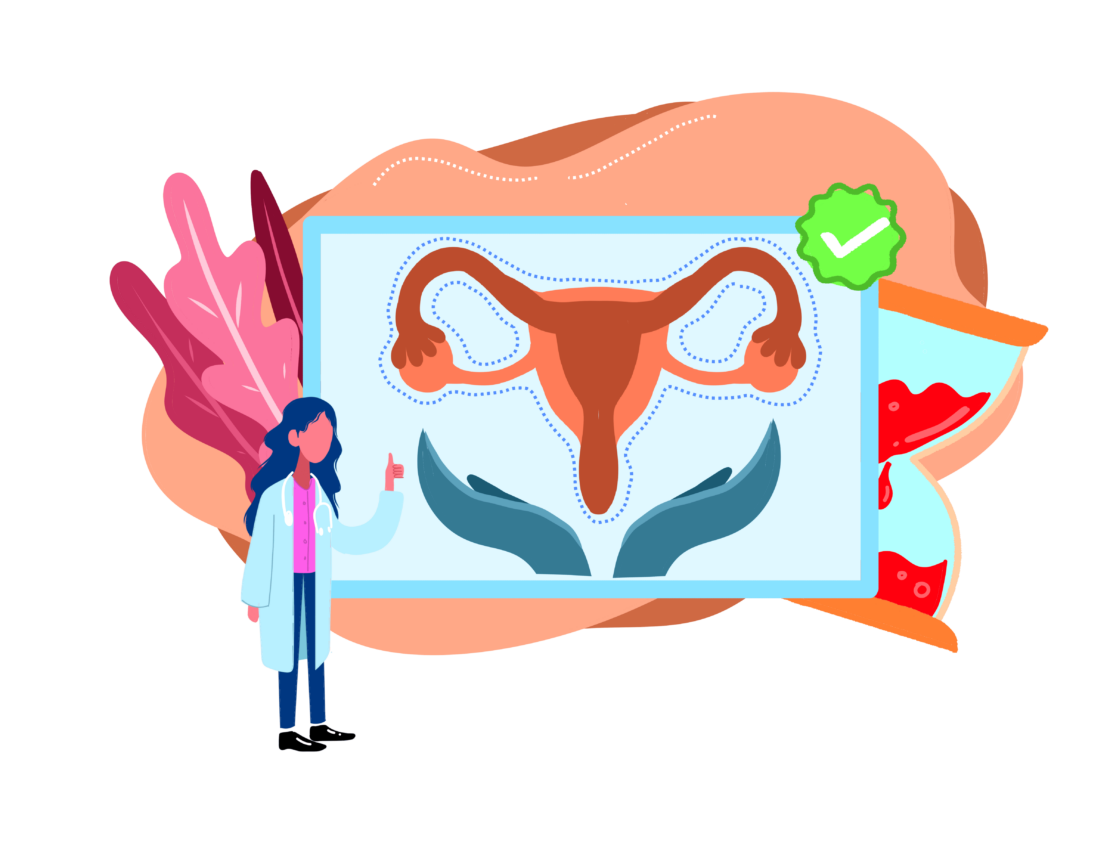
Pruritus (Juckreiz) und Parästhesien sind durch gemeinsame sensorische Nervenbahnen miteinander verbunden und treten häufig als Folge von gesundheitlichen Grunderkrankungen, hormonellen Veränderungen oder psychischem Stress gemeinsam auf. Diese nervenbedingten Reaktionen, die oft als juckende Haut in den Wechseljahren empfunden werden, äußern sich auf unterschiedliche Weise, z. B. durch Juckreiz, Kribbeln, Krabbeln, Brennen, Kribbeln oder "Nadelstiche".
Diese Symptome, die vor allem bei systemischen oder neurologischen Erkrankungen auftreten, verstärken sich bei hormonellen Umstellungen wie der Menopause. Die Behandlungstechniken, die sich mit diesen komplexen sensorischen Verbindungen befassen, zielen darauf ab, die Symptome zu lindern, indem die zugrunde liegenden Ursachen behandelt werden.
Es ist bemerkenswert, dass die Dauer der juckenden Haut in den Wechseljahren variieren kann und oft während des gesamten Übergangs zur Menopause anhält - ein Thema, auf das wir im folgenden Abschnitt näher eingehen werden.
Wie lange dauert juckende Haut in den Wechseljahren normalerweise an?
It is important for women experiencing itching during menopause to consult with their healthcare provider for an accurate diagnosis and appropriate treatment options. If symptoms get severe and unbearable, don’t hesitate to reach out to us at OMC and get some expert advice coming from doctors with decades of experience handling menopausal patients.

Wann sollten Sie einen Arzt aufsuchen?
Although itching is a typical side effect of menopause, symptoms that are exceptionally severe, create serious discomfort, interfere with daily life or sleep, or are accompanied by rashes or other systemic symptoms require rapid attention.
We at OMC are here to help you manage these challenges and provide guidance geared directly to your needs. With us, you’ll avoid long lines and have instant access to a plethora of menopausal knowledge.
Contact us today to see how we may assist you with your symptoms.