
تعرف حكة الجلد أثناء انقطاع الطمث سريريا باسم "الحكة" وتسببها انخفاض هرمون الاستروجين طوال مراحل انقطاع الطمث. مع انخفاض مستويات هرمون الاستروجين ، ينخفض تكوين الكولاجين ، وهو أمر ضروري لصحة الجلد.
غالبا ما تعاني النساء اللائي يمررن بمراحل انقطاع الطمث من حكة في الجلد يتم الإبلاغ عنها على أنها تشعر بالوخز والزحف ومثل الدبابيس والإبر. يمكن للعلاجات مثل العلاج التعويضي بالهرمونات تقليل الآثار السلبية وتوفير الإغاثة من أعراض انقطاع الطمث هذه.
خلال هذه المقالة ، سنغطي هذه الأعراض بمزيد من التفصيل لمساعدتك على فهم الأسباب والحلول ، ولمساعدتك بشكل مثالي فيما قد تواجهه.
ما هو حكة الجلد بعد انقطاع الطمث؟

Menopausal itchy skin, also known as “pruritus,” is a sensation of irritation and discomfort that causes an urge to scratch that is widely reported by women going through menopause.
Pruritus is the primary skin concern in women older than 65 years. The fluctuation in oestrogen levels can lead to dryness, reduced collagen production, and changes in the skin’s elasticity, which lead to the sensation of itchy skin.
Itchy skin during menopause can affect numerous parts of the body, such as the face, neck, chest, vagina, and limbs, making daily activities and sleep increasingly difficult for those who suffer from it. During this stage, it is often characterised by dryness, redness, flaking, and general sensitivity, and the skin is more vulnerable to irritants and normal wear and tear.
Direct repercussions include reduced barrier function, lower lipid levels, and diminished natural oils on the skin’s surface, laying the groundwork for understanding the deeper causes and mechanisms of this irritating condition. If you’re having this kind of symptom, reach out to us at OMC so we can help you with your problem.
ما الذي يسبب حكة الجلد أثناء انقطاع الطمث؟
Collagen, which is important for skin elasticity, also declines, resulting in sagging and wrinkles. Hormonal changes disturb the skin’s balance of oils and moisture, resulting in several skin concerns during menopause. As a result, itchy skin caused by dryness issues are more common among menopausal women who do not use hormone replacement therapy (HRT).
According to the research conducted by the Brazilian Ministry of Health which launched the Program for Integrated Women’s Health Care, oestrogens are necessary for skin hydration because they promote the structural proteins of skin, promote sebum production, increase water retention, and protect skin from excessive water loss.
Significant proportion of menopausal women, up to 50% or more, experience these skin-related discomforts, making it a common, yet frequently under-discussed, facet of menopausal health. As we look more into the effects of menopause on women’s health, it becomes clear that itchy skin is frequently associated with other menopausal symptoms such as hot flashes and night sweats, providing a more complete picture of the physiological changes women go through during this critical stage of life.
How Many Women
Experience Itchy Skin During Menopause?
أثناء انقطاع الطمث ، تعاني نسبة كبيرة من النساء من حكة في الجلد ، حيث تشير التقديرات إلى أن ما يقرب من 64٪ أو أكثر من النساء في هذه الفترة الانتقالية يعبرن عن درجات متفاوتة من آلام الجلد. تم تسليط الضوء على هذا الانتشار في دراسة أجراها Gleison V. Duarte ، MD ، PhD et.al. ، والتي أكدت على مشاكل الجلد ، بما في ذلك الحكة ، باعتبارها مظاهر شائعة ولكنها أقل مناقشة لانقطاع الطمث.
يصبح من الواضح أن الحالة لا تفضل أي جزء معين من الجسم عندما نتحدث أكثر عن حكة الجلد أثناء انقطاع الطمث. يمكن أن يؤثر هذا الانزعاج على جسم المرأة في عدد من الأماكن ، بما في ذلك الوجه والرقبة والظهر والأطراف ، مما يشير إلى أن انقطاع الطمث له تأثير كبير على الحساسية العامة للبشرة وصحتها.
هل يمكن للعلاج التعويضي بالهرمونات أن يوقف الإحساس بحكة الجلد بعد انقطاع الطمث؟
In the study made by Brincat et al, they discovered a very strong relationship between skin collagen and skin thickness (measured radiologically) in both postmenopausal women on oestrogen replacement treatment and untreated postmenopausal women. It was found that after treatment for 6 months, elasticity and firmness of the skin had markedly improved and the wrinkle depth and pore sizes had decreased by 61 to 100%. Furthermore, skin hydration was enhanced, and wrinkle measurements using skin profilometry demonstrated considerable, although not highly significant, reductions in wrinkles.
ما هي علاجات حكة الجلد بعد انقطاع الطمث؟
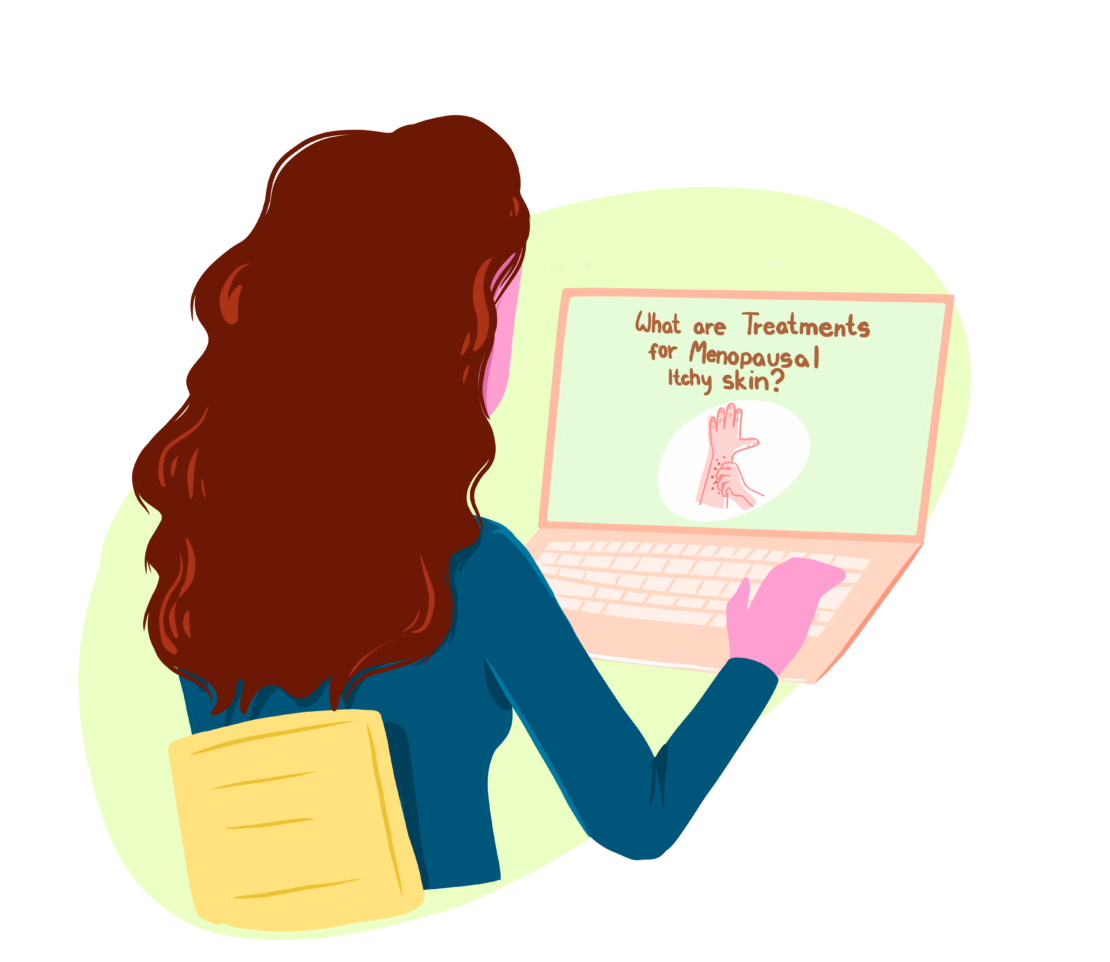
Treating menopausal itchy skin involves a combination of lifestyle changes, skincare routines, and medical interventions. We at OMC may recommend topical creams or ointments to soothe the itchiness or suggest lifestyle modifications as well as specifically formulated skincare. The following are some possible treatments for menopausal itchy skin:
تغيير نمط الحياة:
يعد إجراء تغييرات معينة في نمط الحياة أمرا ضروريا لتقليل جفاف الجلد والحكة ، خاصة أثناء انقطاع الطمث. الأطعمة الغنية بفيتامين E مثل اللوز والأفوكادو والبندق والصنوبر هي خيارات رائعة للحفاظ على صحة الجلد. أيضا البقاء رطبا عن طريق شرب الكثير من الماء ودعم صحة الجلد مع اتباع نظام غذائي غني بالأحماض الدهنية الأساسية ومضادات الأكسدة.
العناية بالبشرة المناسبة:
من المفيد أيضا اتباع روتين لطيف للعناية بالبشرة ، واستخدام منظفات خفيفة ومرطبات فعالة مع تجنب المنتجات التي يمكن أن تجرد البشرة من الزيوت الطبيعية. امتنعي عن استخدام المقشرات القوية والمنظفات الرغوية لأنها تترك بشرتك جافة. بدلا من ذلك ، ابحث عن منتجات العناية بالبشرة التي تحتوي على عوامل مرطبة مثل حمض الهيالورونيك والسيراميد والسيراميد.
الاستحمام:
قلل من الاستحمام بالماء الساخن لأنه سيجعل بشرتك متقشرة وجافة. كما أنه يزيل الزيوت الطبيعية من بشرتك مما يسبب الحكة. يمكن أن يساعد التعرض واستخدام أجهزة الترطيب في منع جفاف الجلد الإضافي. إذا كنت معتادا على الحمامات الساخنة ، فقد تضطر إلى ضبطها على درجة حرارة فاترة فقط والحد من وقتك بما لا يتجاوز 15 دقيقة حتى لا تلحق الضرر ببشرتك وتجنب تجريد الزيت الطبيعي من بشرتك. أخيرا ، تجنب استخدام الصابون القوي الذي يمكن أن يزيل الزيوت من بشرتك وبدلا من ذلك استخدم منظفات لطيفة.
دواء:
تختلف أدوية حكة الجلد ، خاصة أثناء انقطاع الطمث ، حسب السبب. عادة ما توصف الكريمات المضادة للحكة (الكورتيكوستيرويدات الموضعية) لتقليل الالتهاب والحكة. مضادات الهيستامين هي أيضا بديل جيد لتخفيف الحكة. يمكن أن تساعد المستحضرات والكريمات التي تحتوي على مكونات المنثول أيضا من خلال التأثير البارد على تلك المناطق المتأثرة.
المواضيع:
كثيرا ما ينصح باستخدام كريم الستيرويد المعتدل ، مثل الهيدروكورتيزون ، للاستخدام على المدى القصير ، عادة لبضعة أيام ، في المناطق الصغيرة الملتهبة. يساعد هذا المستحضر في تخفيف الحكة وتقليل الالتهابات. تتوفر مرطبات غير مهيجة بدون وصفة طبية أو يمكنك شراؤها بعد التشاور مع أخصائي.
العلاجات (HRT):
يمكن أن يساعد العلاج بالهرمونات البديلة (HRT) في علاج حكة الجلد بعد انقطاع الطمث من خلال معالجة الاختلالات الهرمونية التي تنتج الأعراض. العلاج التعويضي بالهرمونات قد يقلل من الجفاف ويعزز الجودة العامة للجلد عن طريق استعادة مستويات هرمون الاستروجين غير كافية. ومع ذلك ، من الأهمية بمكان التشاور مع خبير الرعاية الصحية لأن العلاج التعويضي بالهرمونات غير مناسب للجميع ويحمل مخاطر معينة. إذا لم تكن متأكدا مما إذا كنت ستأخذ العلاج التعويضي بالهرمونات لأعراض انقطاع الطمث ، فلا تتردد في التحدث مع الفريق في OMC حتى يتمكن أطباؤنا وممرضاتنا في OMC من فحص حالتك وإعطائك توصية أفضل.
Sun protection techniques such as using sunscreen, as well as apparel composed of skin-friendly natural fibres like cotton and silk are good choices to protect the skin’s natural protein structure and dark or bright coloured clothing can protect your skin from damaging UV radiation. These comprehensive techniques work in tandem to increase skin hydration and overall health.
ما الذي يسبب حكة الجلد أثناء انقطاع الطمث؟
A study from the Brazilian Ministry of Health indicated that skin disorders like itchy skin are often associated with night sweats, hyperhidrosis, and hot flashes which are all prevalent complaints among 35% to 50% of perimenopausal women and 30% to 80% of postmenopausal women. Menopausal hyperhidrosis is classed as secondary hyperhidrosis, with symptoms that may be relieved by HRT, implying that the reason is decreased oestrogen levels.
Similarly, sleep difficulties, another typical complaint during menopause, might develop as a result of itchy skin irritation, emphasising the interrelated nature of menopausal symptoms.
ما هي المناطق الأكثر شيوعا التي تتأثر بهذه الأعراض؟
While these methods can be useful, it’s also vital to keep track of how symptoms change during the day. Some women claim that itchiness worsens at night, presumably due to the lack of daily distractions and the natural decline in cortisol levels. Understanding these daily patterns is essential for managing menopausal itchy skin properly and may influence therapy time and technique.

هل هناك وقت محدد من اليوم يحدث فيه عادة؟
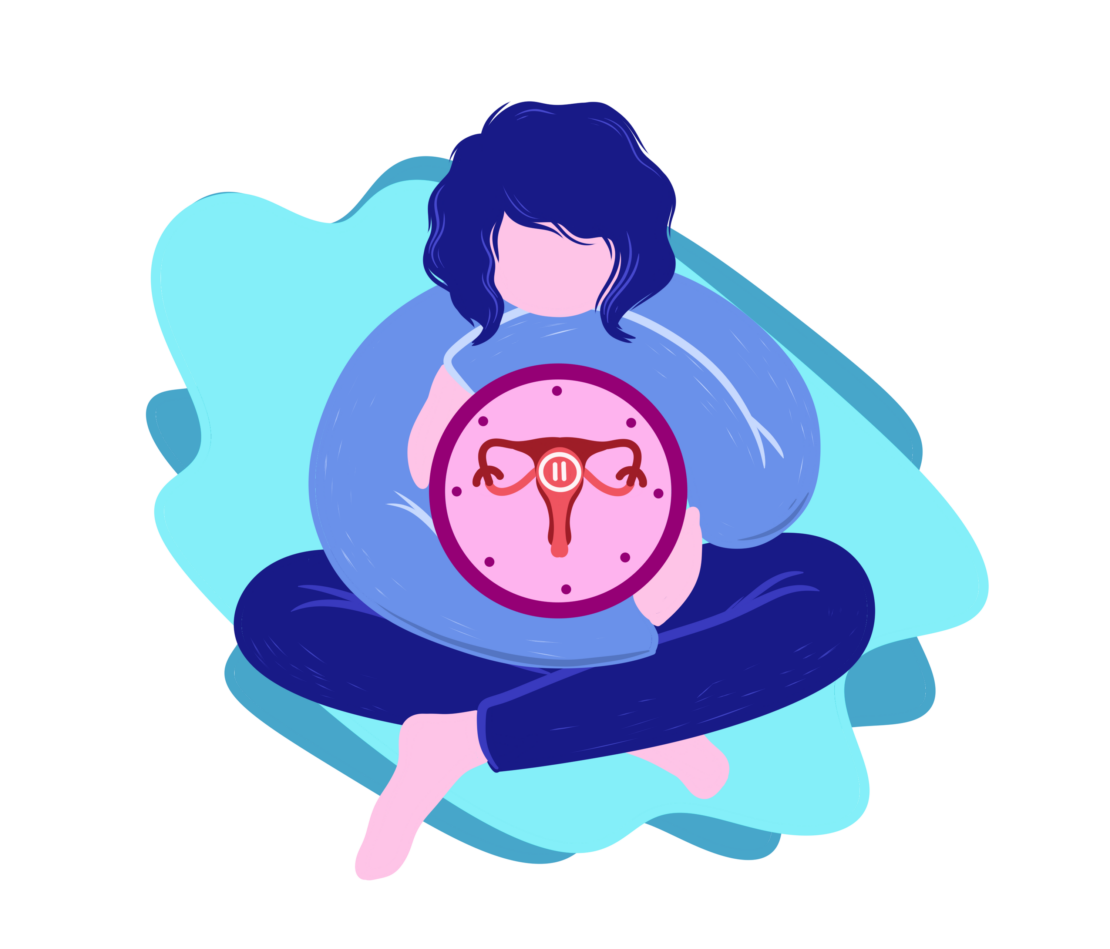
According to a study from Temple University’s Lewis Katz School of Medicine, sleep alters skin barrier function, which may lead to pruritus. At night, trans-epidermal water loss (TEWL), a measure of skin barrier integrity, increases. Increased water loss leads to impaired skin barrier function which allows substances called pruritogens to penetrate the skin and trigger the sensation of itch and a desire to scratch.
Moving forward, controlling menopausal skin itching necessitates identifying causes such as hormone changes, stress, environmental influences, and dietary or hydration choices. Understanding them is essential for good symptom management
ما هي المحفزات الشائعة التي يمكن أن تؤدي إلى تفاقم حكة الجلد أثناء انقطاع الطمث؟
External factors can also aggravate skin itching during menopause. Irritating soaps, detergents, and skincare products might aggravate the itching. Hot showers or baths with hot water can strip away natural oils from the skin, exacerbating the issue. Furthermore, certain textiles, such as wool or synthetic materials, might create friction and itching against sensitive skin. Skin irritation can be exacerbated by environmental variables such as dry air or severe temperatures.
Furthermore, itchy skin during menopause is frequently associated with a range of altered skin sensations also known as paresthesia which is characterised by having numbing, burning, prickly or crawly skin sensations implying a complex link between hormonal changes and neurological symptoms after menopause.
هل الحكة مرتبطة بأنواع أخرى من أحاسيس الجلد المتغيرة بعد انقطاع الطمث؟
ترتبط الحكة (الحكة) وتشوش الحس بمسارات الأعصاب الحسية الشائعة وكثيرا ما تحدث نتيجة للظروف الصحية الأساسية أو التغيرات الهرمونية أو الإجهاد النفسي. تظهر هذه الاستجابات المرتبطة بالأعصاب ، والتي غالبا ما تعاني من حكة الجلد بعد انقطاع الطمث ، بطرق مختلفة بما في ذلك الحكة ، أو الشائك ، أو الزحف ، أو الحرق ، أو الوخز ، أو أحاسيس "الدبابيس والإبر".
تزداد هذه الأعراض ، المنتشرة بشكل خاص في الأمراض الجهازية أو العصبية ، أثناء التحولات الهرمونية مثل انقطاع الطمث. تهدف تقنيات العلاج التي تعالج هذه الروابط الحسية المعقدة إلى توفير تخفيف الأعراض من خلال علاج الأسباب الكامنة.
من الجدير بالذكر أن مدة حكة الجلد بعد انقطاع الطمث يمكن أن تختلف ، وغالبا ما تستمر طوال فترة انقطاع الطمث ، وهو موضوع سنستكشفه أكثر في القسم التالي.
ما المدة التي تستغرقها حكة الجلد المرتبطة بانقطاع الطمث عادة؟
It is important for women experiencing itching during menopause to consult with their healthcare provider for an accurate diagnosis and appropriate treatment options. If symptoms get severe and unbearable, don’t hesitate to reach out to us at OMC and get some expert advice coming from doctors with decades of experience handling menopausal patients.

متى يجب أن ترى الطبيب؟
Although itching is a typical side effect of menopause, symptoms that are exceptionally severe, create serious discomfort, interfere with daily life or sleep, or are accompanied by rashes or other systemic symptoms require rapid attention.
We at OMC are here to help you manage these challenges and provide guidance geared directly to your needs. With us, you’ll avoid long lines and have instant access to a plethora of menopausal knowledge.
Contact us today to see how we may assist you with your symptoms.
